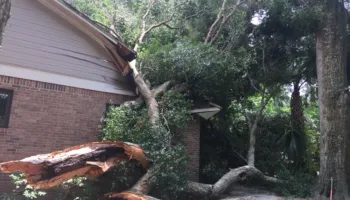
When a hurricane or severe thunderstorm rolls through Northeast Florida, trees are often the first casualties, and the biggest threat to your home. Knowing how storm damage tree removal works, what to do the moment a limb comes down, and how to prepare your trees before the season can protect your family and save thousands in repairs. This guide is written for Jacksonville homeowners who live under mature oaks, pines, and palms and want a clear, safety-first plan. With more than 35 years responding to storms across Duval County, we will cover what to do before, during the aftermath, and when to call for emergency help.
Key Takeaways
- Atlantic hurricane season runs June 1 through November 30, with peak risk from mid-August to late October.
- After a storm, stay away from downed limbs near power lines and never assume a line is dead.
- Not every damaged tree must be removed; some can be saved if less than about 50 percent of the crown is lost and the trunk is sound.
- Proactive pruning before the season is the single most effective way to reduce storm damage.
- Emergency storm damage tree removal should be handled by insured professionals with the right rigging, not DIY.
Why Jacksonville Trees Are So Vulnerable to Storms
Jacksonville’s location on the Atlantic coast puts it squarely in the path of tropical systems. According to the National Oceanic and Atmospheric Administration, the Atlantic hurricane season officially spans June 1 to November 30, and Northeast Florida regularly feels the effects of both direct hits and passing systems that arrive with sustained tropical-storm-force winds.
Several local factors make our trees especially storm-prone:
- Sandy, fast-draining soil near the coast offers weaker root anchorage.
- Saturated ground after heavy rain lets trees uproot even in moderate wind.
- Fast-growing laurel and water oaks common in older neighborhoods develop internal decay and weak branch unions.
- Tall pines can snap or drop large limbs under wind load.
Understanding these vulnerabilities is the first step toward preventing damage rather than just reacting to it.
Before the Storm: How to Storm-Proof Your Trees
The best storm damage tree removal is the one you never need. Preparation, done in the right season, dramatically lowers your risk.
Schedule structural pruning early
Finish major pruning before June 1. Proper thinning lets wind pass through the canopy instead of pushing against a dense wall of foliage. The University of Florida IFAS Extension, which studied tree performance after major hurricanes, found that well-pruned, structurally sound trees survived storms far better than neglected ones. Our tree trimming service focuses on this kind of wind-reduction work.
Remove hazards while conditions are calm
Have a certified arborist evaluate any tree with:
- Large deadwood or repeated limb drop.
- A new or increasing lean.
- Cracks in the trunk or major branch unions.
- Fungal conks or a hollow sound in the trunk.
Trees with serious defects are better removed on a calm, planned schedule than left to fail on your roof. Planned tree removal before the season is safer and less expensive than emergency work.
Do not top your trees to “storm-proof” them
Topping is a common myth. Cutting trees back to stubs actually produces weak, fast-growing regrowth that is more likely to fail in the next storm, according to guidance from the International Society of Arboriculture. Proper reduction pruning is the correct approach.
Right After the Storm: A Safety-First Checklist
When the wind dies down, the temptation is to rush outside and start cleaning up. Slow down. The aftermath of a storm is when many of the worst injuries happen.
1. Treat every downed line as live
Assume any power line, and any tree or limb touching one, is energized and deadly. Stay at least 30 feet away and call your utility, JEA, before going near it. Never try to remove a branch tangled in power lines yourself.
2. Look up before you walk under
“Hangers,” or broken limbs caught in the canopy, can fall without warning. Before approaching any damaged tree, scan the crown for suspended or cracked branches. If you see any, keep clear and rope off the area.
3. Check for structural threats to your home
A limb resting on your roof, a tree leaning toward the house, or a partial uproot are all reasons to keep people out of that part of the home and call for professional help immediately.
4. Document everything for insurance
Before cleanup begins, photograph the damage from multiple angles. Most homeowners insurance policies cover storm damage tree removal when a tree hits a covered structure, so thorough documentation helps your claim.
5. Call insured professionals for anything large
Chainsaw injuries spike after storms. Wood under tension, called spring poles, and limbs bearing hidden weight can snap violently. Anything larger than small brush, and anything overhead, calls for a professional with proper rigging and insurance.
Can a Storm-Damaged Tree Be Saved?
Not every damaged tree needs to come down. A certified arborist weighs several factors before recommending removal.
| Condition | Often savable | Usually remove |
|---|---|---|
| Crown loss | Less than about 50 percent | More than 50 percent |
| Trunk | Sound, no major cracks | Split or cracked through |
| Lean | No new lean | New lean with lifted roots |
| Broken limbs | Clean, prunable breaks | Torn, stripped bark down the trunk |
| Species and age | Young, vigorous | Old, already declining |
A tree that has lost a few limbs but keeps a sound trunk and most of its crown can often be pruned and recover over a season or two. A tree with a split trunk, a fresh lean, or more than roughly half its canopy gone is usually a hazard that should be removed.
Why Storm Damage Tree Removal Is a Job for Professionals
Storm-damaged trees are far more dangerous to work on than healthy ones. Limbs are often under tension, partially attached, or resting against structures. The Tree Care Industry Association stresses that removing storm-damaged trees requires trained crews, proper rigging, and the right equipment to control where heavy wood falls.
A qualified crew will:
- Assess tension and weight before making any cut.
- Use rigging to lower heavy limbs in a controlled way.
- Protect your home, fence, and landscaping during removal.
- Carry liability and workers’ compensation insurance.
Hiring an insured, experienced company protects you from both physical danger and financial liability. You can learn more about our team and credentials on our about page.
FAQ
What should I do first after a tree falls on my house?
Get everyone out of the affected area and check for injuries. Stay away from any downed power lines and assume they are live. Photograph the damage for insurance, then call an insured emergency tree service. Do not attempt to remove large limbs yourself.
Does homeowners insurance cover storm damage tree removal?
In most cases, insurance covers tree removal when a storm-damaged tree strikes a covered structure such as your house, garage, or fence. Coverage for trees that fall without hitting a structure varies by policy. Document everything with photos and check your specific policy or agent.
How do I know if a storm-damaged tree can be saved?
A tree can often be saved if it kept most of its trunk intact, lost less than about half its crown, and shows no new lean or root lifting. Trees with split trunks, major cracks, or a fresh lean are usually hazards. A certified arborist can make the final call.
When should I prune trees to prevent hurricane damage?
Complete structural and wind-reduction pruning before June 1, the start of Atlantic hurricane season. Proper thinning lets wind pass through the canopy and reduces limb failure. Avoid topping, which creates weak regrowth that is more likely to fail in future storms.
Is emergency tree removal available at night in Jacksonville?
Yes. Storm damage does not wait for business hours, so reputable local companies offer around-the-clock emergency service. Custom Tree Surgeons provides 24/7 emergency tree removal across Jacksonville and surrounding communities for hazards that cannot wait until morning.
Be Ready Before the Next Storm
Storm damage tree removal is safest and least costly when you plan ahead. Prune for wind resistance before June 1, remove hazardous trees while conditions are calm, and know exactly what to do in the dangerous hours after a storm passes. When damage does happen, keep clear of power lines, document everything, and bring in insured professionals for anything large or overhead.
Custom Tree Surgeons has protected Jacksonville homes through more than 35 years of storm seasons. For proactive hurricane-prep pruning or 24/7 emergency response, call (904) 944-9954 or request a free tree care estimate. We are ready before, during, and after the storm.